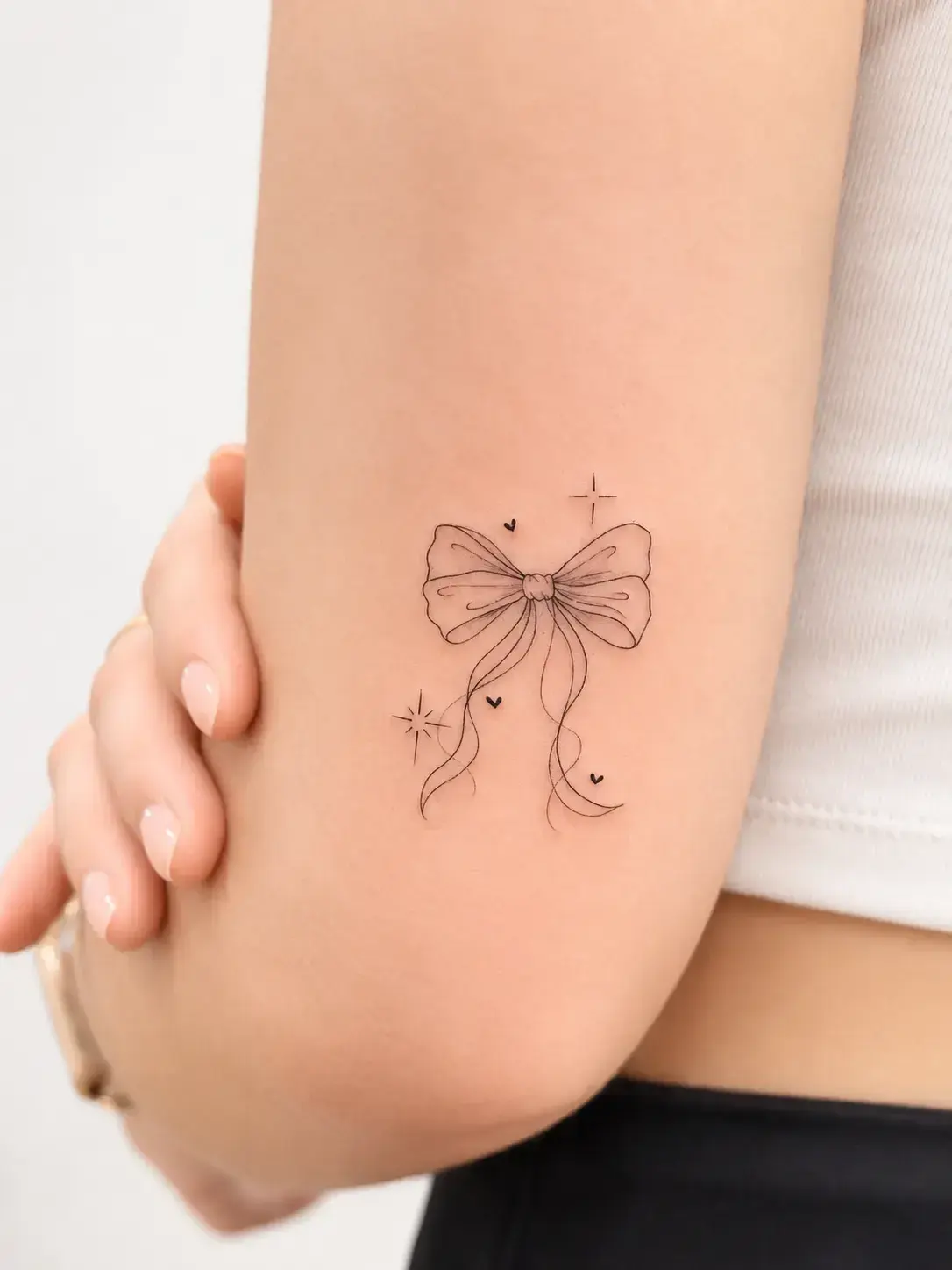

What Counts as a Fine Line Tattoo?
Fine Line tattoos have become one of the most familiar first-tattoo directions because they feel personal without looking too loud. If you have saved a tiny flower, a short phrase, a crescent moon, a pet outline, or a quiet symbol as tattoo inspiration, you have probably been looking at Fine Line tattoos already.
Fine Line is often searched and talked about as a tattoo style, but it is more accurately a delicate linework approach. It is built around thin, controlled lines rather than bold outlines, dense shading, or strong color. It uses light detail, soft black or grey lines, and open space to keep a small idea clear on skin. The goal is not to make every line as tiny as possible. The goal is to make the design feel delicate, readable, and intentional.
Why Small, Delicate Tattoos Feel So Personal
Part of Fine Line’s appeal is easy to recognize in real examples: a small flower on the wrist, a phrase near the collarbone, a moon at the ankle, or a pet outline that feels more like a private reminder than a public statement. Fine-line culture also became familiar through celebrity tattoo artists such as JonBoy and Dr. Woo; Vogue’s JonBoy interview is a useful snapshot of how delicate, minimal tattoos became part of a more modern and approachable tattoo language.
What these examples share is not just that they are small. They feel intentional without being visually heavy. Thin lines, light detail, and open space let a personal idea sit quietly on the skin, which is why Fine Line tattoos often appeal to people who want something meaningful, subtle, and easy to live with.
Ideas That Work Best With Light Linework
A Fine Line tattoo is strongest when the design can be understood through shape, spacing, and a small amount of detail. Because the style relies on thin lines, light shading, and open space, it fits tattoo ideas that already have a clear outline or one focused meaning: a birth flower, a rose, a short phrase, a moon and stars, a pet outline, or a simple nature symbol.
That pattern is easy to see in real Fine Line references. Byrdie’s Fine Line Tattoos 101 returns to roses, floral pieces, celestial designs, finger symbols, and small rib tattoos, all pointing to the same design logic: the image should be simple enough to stay readable without dense shading or bold contrast.
For placement, the same logic applies. Fine Line tattoos usually work well on the wrist, inner forearm, collarbone, ankle, or rib, where a small-to-medium design can feel deliberate and still have enough space around it. The goal is not just to make the tattoo small. It is to give a simple idea enough room to feel clear.
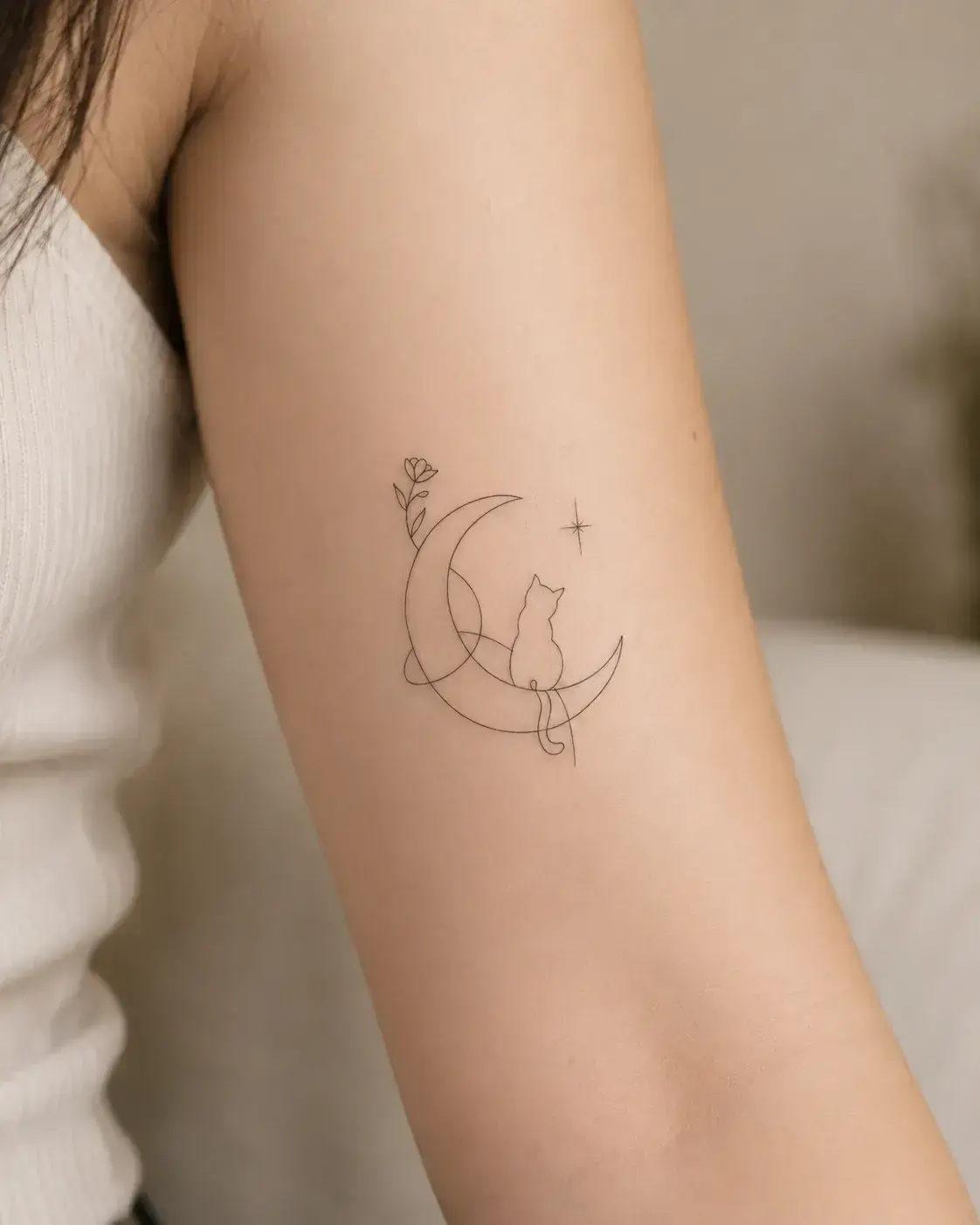
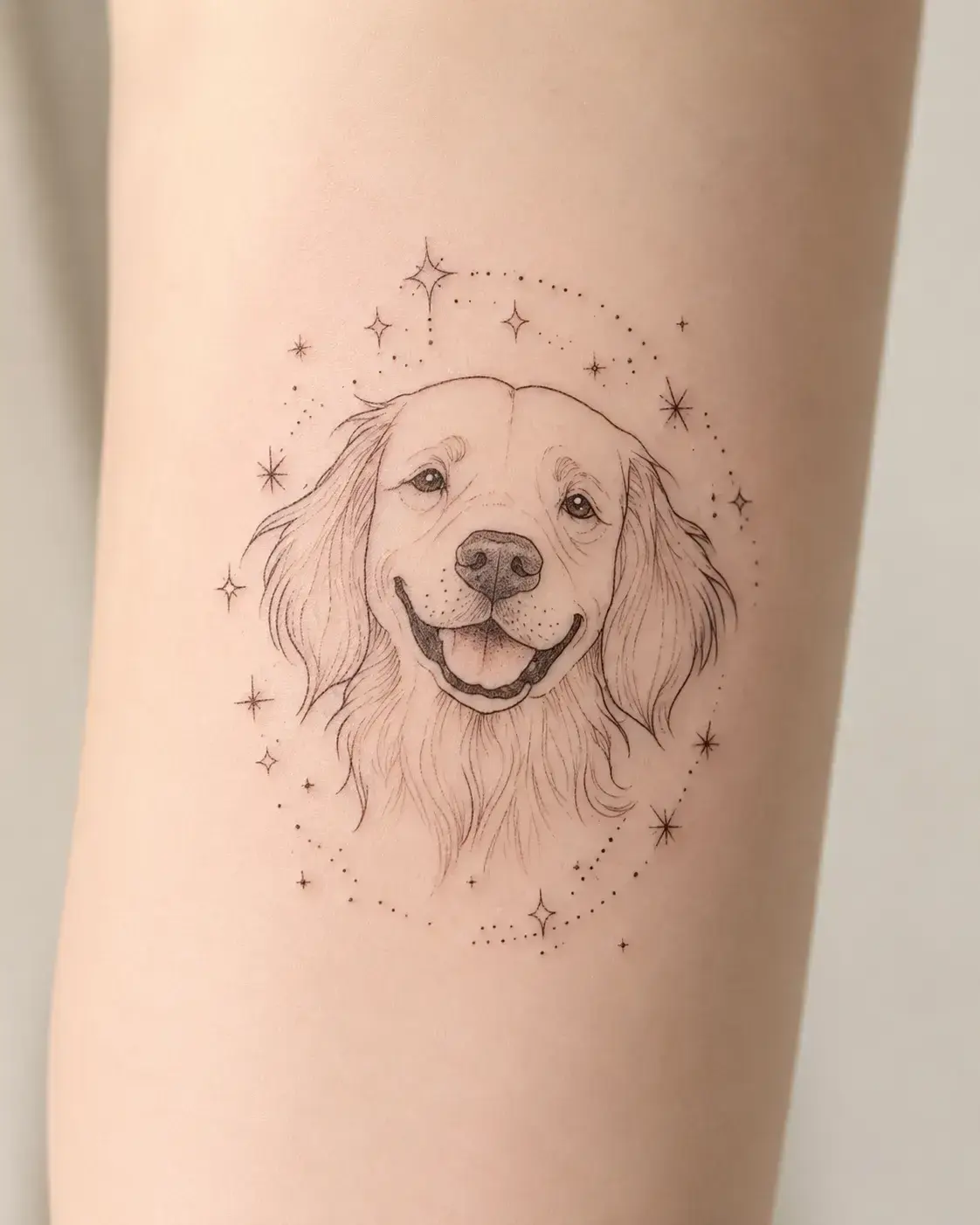
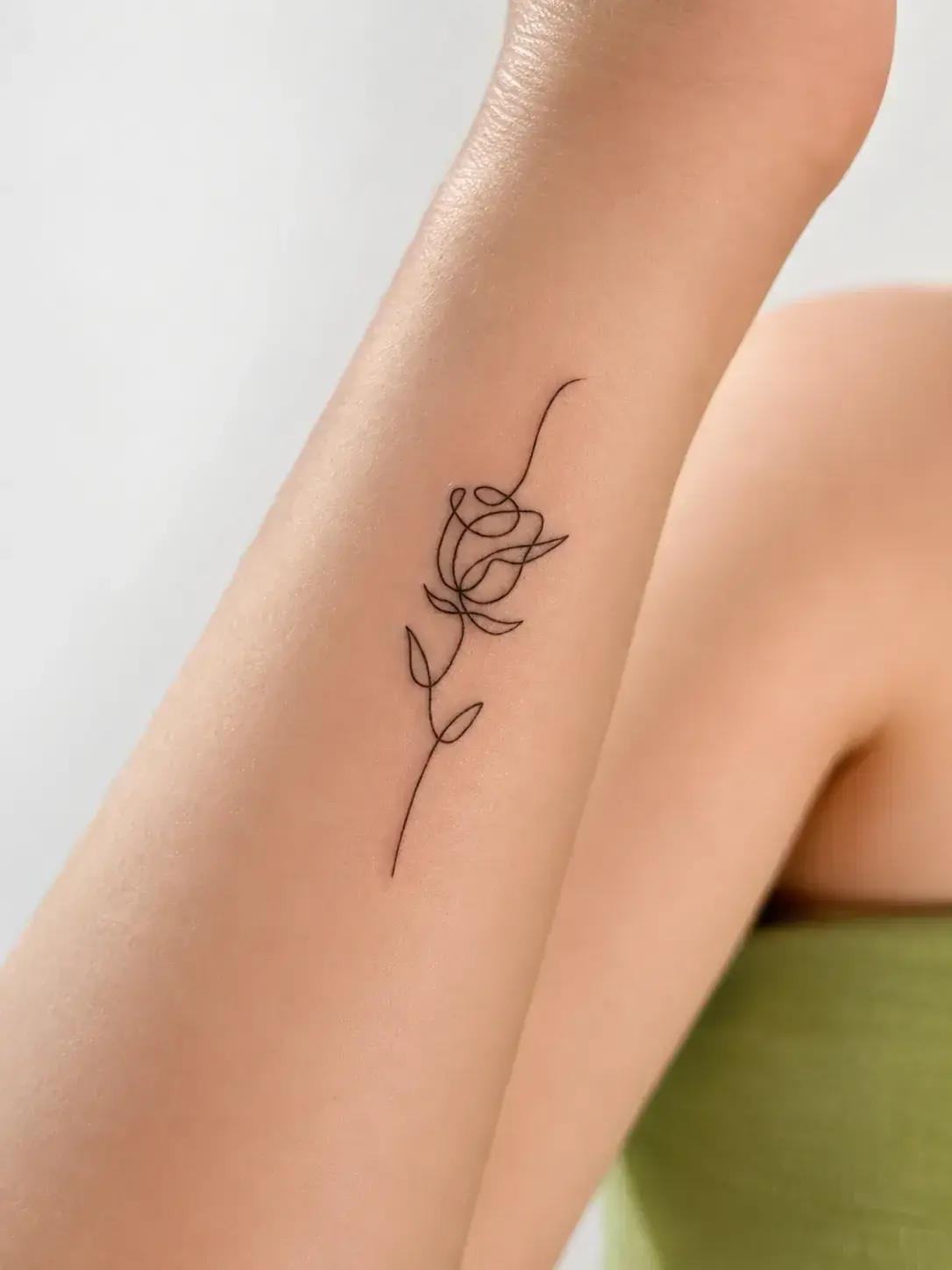
Fine Line ideas in practice
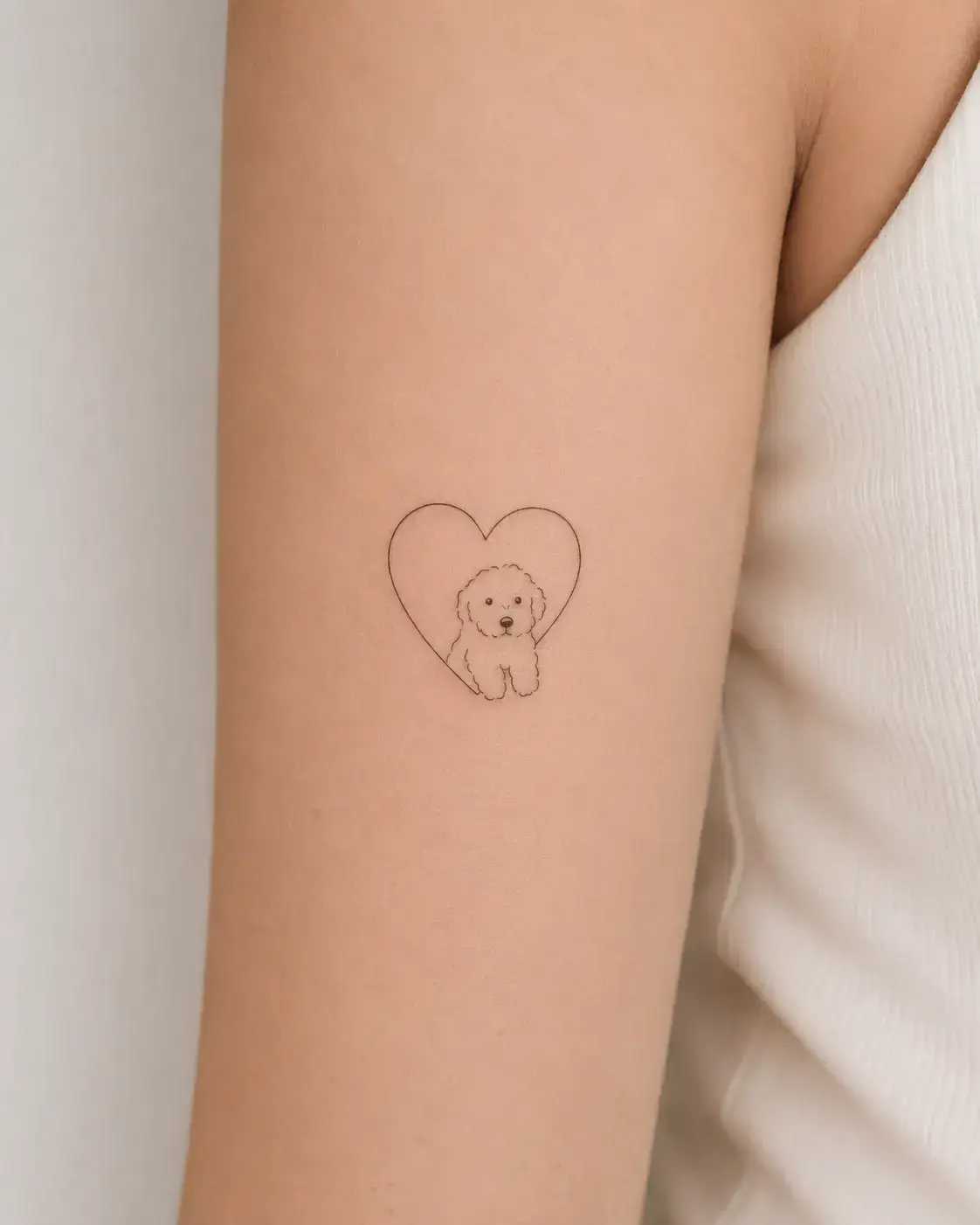
These examples show the same design logic from a few different angles: simple symbols, readable linework, enough open space, and just enough detail to keep the idea personal.
Where Fine Line Can Lose Clarity
The thing people love about Fine Line tattoos is also where the style can go wrong: they are light, delicate, and built on very little visual weight. If the lines are too thin, the spacing is too tight, or the design is made too small, the tattoo may look beautiful in a fresh photo but lose clarity as it heals and settles into the skin.
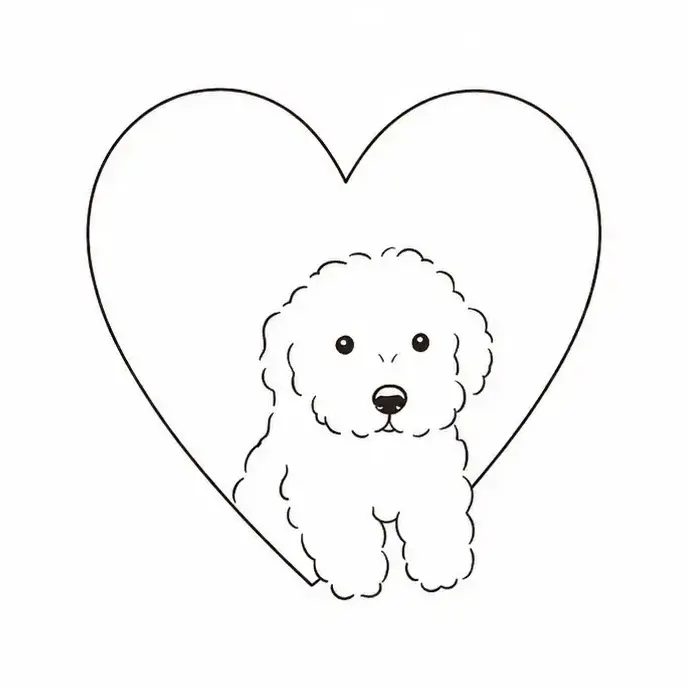
The common problems are easy to imagine: tiny script with letters too close together, a flower with too many small inner lines, a pet outline trying to include every feature, or a placement that gets constant friction and movement. The style is not the problem by itself. The problem is asking a very light style to hold more detail than it can carry.
A safer Fine Line tattoo design keeps the idea focused, leaves enough space between lines, and uses a size that matches the detail. It also helps to look at the artist’s healed fine-line work, not only fresh closeups; Allure’s fine-line healing guide makes that expectation especially clear. If the design needs heavy contrast, realistic shading, or many small elements to make sense, it may need to be larger or handled in another style.
Fine Line vs Similar Delicate Tattoo Styles
Fine Line overlaps with other quiet, small-scale tattoo styles. The easiest way to compare them is to look at what each style depends on: linework, simplicity, needle technique, realism, or text readability.
Fine Line Tattoo vs Single Needle
Dimension
Style or technique
Fine Line
Fine Line describes the look: thin, precise lines, light detail, and open space.
Single Needle
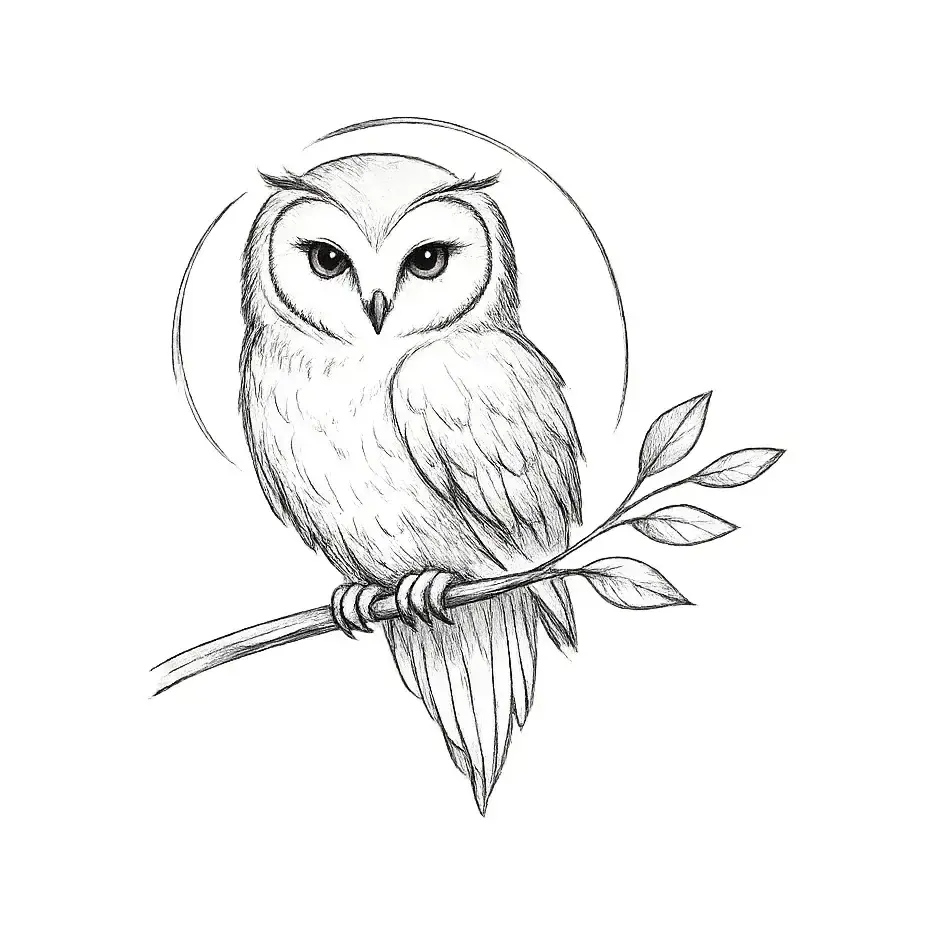
Single Needle describes the technique: using a single needle to make softer, highly controlled marks.
Dimension
How detail works
Fine Line
Simplifies detail so the design still feels open and readable.
Single Needle
Can create smaller and softer detail, but depends much more on specialist skill.
Dimension
Best fit
Fine Line
Flowers, short words, moons, pet outlines, and simple symbols.
Single Needle
Tiny script, micro details, soft small portraits, and delicate objects.
Dimension
What to check before booking
Fine Line
Look for healed thin-line tattoos that still have clear spacing and readable outlines.
Single Needle
Look for healed single-needle work specifically, not only fresh close-up photos.
In plain language: choose Fine Line when you mainly want the delicate look. Ask about Single Needle when the technique itself matters, especially for very small, soft detail.
Fine Line Tattoo vs Minimalist

Dimension
Design logic
Fine Line
Uses delicate linework and can keep light visual detail.
Minimalist
Reduces the idea to the fewest possible elements.
Dimension
Detail level
Fine Line
Can include soft curves, small texture, or light botanical detail.
Minimalist
Usually avoids detail beyond the simplest shape or mark.
Dimension
Best fit
Fine Line
Flowers, short script, moons, pet outlines, and delicate symbols.
Minimalist
Icons, initials, simple shapes, and very reduced symbols.
Dimension
Choose when
Fine Line
Line quality and delicacy matter to the design.
Minimalist
The simplest possible symbol matters more than line detail.
A simple way to decide: Fine Line is about delicate line quality, while Minimalist is about reducing the idea as far as possible. A tattoo can be both, but they are not the same promise.
Fine Line Tattoo vs Micro Realism

Dimension
Design logic
Fine Line
Carries the idea through outline, spacing, and light detail.
Micro Realism
Tries to keep a small image realistically recognizable.
Dimension
Visual tools
Fine Line
Thin linework, open space, and restrained shading.
Micro Realism
Shading, proportion, contrast, and reference accuracy.
Dimension
Best fit
Fine Line
Symbolic, outline-based, or botanical designs.
Micro Realism
Tiny pets, objects, faces, food, or photo-like references.
Dimension
Risk point
Fine Line
Too much detail should be simplified or made larger.
Micro Realism
Needs enough size and stable placement for realistic detail.
Fine Line works best when the idea can be understood through outline, spacing, and restraint. Micro Realism is better when the design needs proportion, shading, and photo-like recognition to make sense.
Fine Line Tattoo vs Lettering / Script

Dimension
Main focus
Fine Line
The overall delicate line style and composition.
Lettering / Script
The exact word, font, spacing, and readability.
Dimension
Text role
Fine Line
Text can be one small part of a Fine Line design.
Lettering / Script
The words themselves are the tattoo.
Dimension
Best fit
Fine Line
A short word or phrase paired with a delicate motif.
Lettering / Script
Names, dates, quotes, family words, or memorial phrases.
Dimension
Key constraint
Fine Line
Line weight and spacing should support the whole design.
Lettering / Script
Letter spacing and final size must preserve readability.
If the words are the whole tattoo, treat it as Lettering first. If the words are only one small part of a delicate image, Fine Line can be the stronger overall direction.
How to Turn a Small Idea Into a Fine Line Design
A good Fine Line tattoo idea usually starts with one clear thing you want the tattoo to hold. It could be a birth flower, a short word, a date, a pet outline, a moon, or a small symbol connected to a memory. Try not to begin with too many meanings at once. Fine Line works better when the idea has room to stay simple.
Once the idea is clear, think about how it should appear on skin. Should it be an outline, a small botanical detail, a short phrase, or a symbol with open space around it? If the design feels crowded, remove detail before making the lines thinner. Then think about placement: the wrist can make it feel visible and everyday, the collarbone can make it feel soft and decorative, the ankle can keep it quieter, and the forearm can give it more room to breathe.
Fine Line FAQ
Short answers to common questions before you generate or bring a reference to an artist.
Are Fine Line tattoos good for a first tattoo?
Yes, Fine Line is often a strong first-tattoo direction because it can feel subtle, personal, and easy to place. The best first design is still simple enough to stay clear after healing, especially if it will be tiny or placed on a high-movement area.
Do Fine Line tattoos fade faster?
Fine lines can soften, fade, or spread depending on placement, skin, aftercare, sun exposure, and artist technique. That does not mean the style is a bad choice; it means healed portfolio photos and enough spacing matter more than they do for heavier styles.
What designs work best in Fine Line style?
Small flowers, short script, pet outlines, moons, stars, birth flowers, and simple symbolic ideas usually work well. Dense portraits, tiny paragraphs, and designs that need heavy contrast usually need a larger size or a different style.
What is the difference between Fine Line and Single Needle?
Fine Line describes the delicate visual look: thin lines, light detail, and open spacing. Single Needle is a more specific technique or effect that can create especially soft, precise detail. Many Single Needle tattoos look fine-line, but not every Fine Line tattoo is Single Needle.